This is One Thing, a column with tips on how to live.
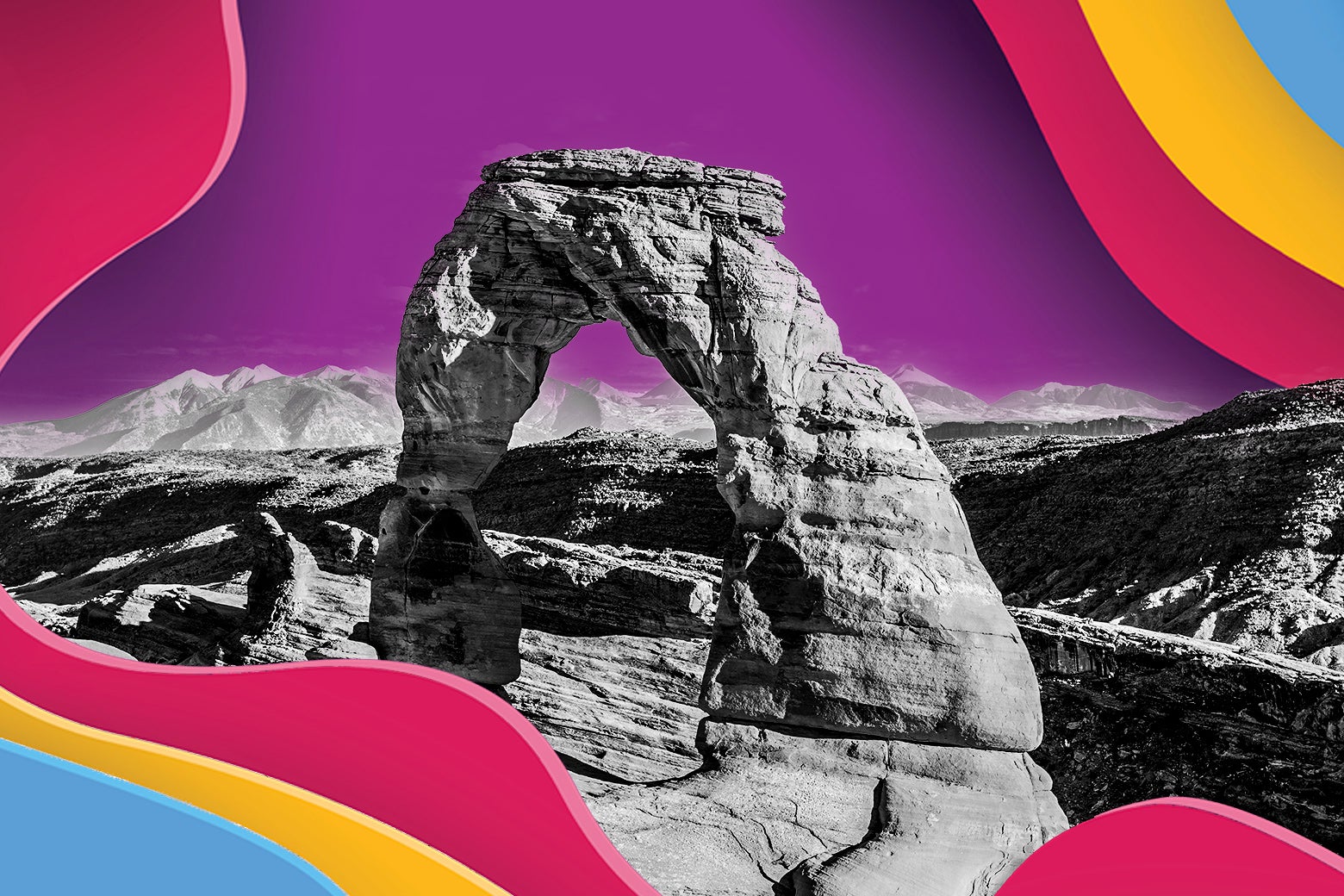
We were sitting smack-dab in the middle of Arches National Park, which welcomes about 1.5 million visitors each year. Specifically, we were in front of Delicate Arch, an attraction so famous it’s featured on the Utah license plate. But, on a morning in August, my boyfriend and I practically had the place to ourselves, watching golden hues slowly cascading over the smooth red rocks of the Utah desert with just a handful of other park visitors.
What sorcery allowed us to beat the crowds in peak season? All it took was an alarm clock.
Since the pandemic, America’s great outdoors—and its national parks in particular—have received an unprecedented amount of attention from domestic and foreign travelers alike, with a record 331.9 million recorded visits to national parks in 2024. Those visits typically crest in the summer months, which has led the busiest parks to implement a reservation system during peak season. In addition to paying your entrance fee, you’ll need to nab a timed-entry permit just to get into the park. These systems work to combat the crush of crowds the parks were seeing, but they’ve made planning a national parks getaway a logistical high-wire act. (Dwindling budgets for the National Park Service in the DOGE era have almost certainly made this problem worse in many high-profile locales, and at entrance gates to popular parks, I’ve seen epic car lines this year.) It’s enough to make many outdoor enthusiasts I know begin to renounce the national parks altogether, bemoaning that they are no longer worth visiting. Yes, there are a multitude of equally worthy state parks and other federal land worth checking out. But there’s really no need to abandon the national parks as long as you do them right.
And that’s where the alarm clock comes in. The early bird gets the worm, and the early national parks visitor gets a hassle-free experience. Even where reservations are required for entry, you can usually enter freely as long as it’s before 6 a.m. (or sometimes even 7!—check your local park regulations). That means you are going to have to get up early, especially if you are staying far away from the park, but the reward is more than worth it.
While you are still required to pay an entrance fee, rangers generally aren’t manning the booths that early, so it’s on the honor system—and you can just cruise by without waiting for a long line of people to pay in front of you. (A quick side note on entrance fees: I recommend getting the America the Beautiful pass; it costs just $80 and covers access for all national parks and most day use of federal land for a full year from the time you purchase it. A day pass is usually almost half of that anyway. If you’re 62 years or older, it’s a total no-brainer to get the lifetime pass, which is also just $80, and will last, well, the rest of your life. And if you happen to have a child in fourth grade, the pass is free.)
Once you’re in the park, enjoy a prime parking spot at the trailhead as you have yourself a nice Jetboil’d coffee or oatmeal while you get ready for your day ahead. That morning at Arches, we’d jumped immediately from our tent into the car, so I put in my contacts, brushed my teeth, and ate breakfast at the trailhead. By 5:30 a.m., we’d already started the 3-mile roundtrip hike to Delicate Arch, using headlamps to guide our way. The hike’s accessibility and the arch’s fame are huge draws, so we were passing solid crowds on the way back down—but by then we’d already had our magical moment at the top. Then, by 7 a.m., we’d started out on a longer hike that moved us away from the masses. We swung back in the evening to check out other popular viewpoints (reservations aren’t needed after a certain time, so if you’re a die-hard night owl, you could also try that route).
So, if you’re squeezing in one last trip before school’s back in session, do not despair at the crowds and chaos you’ve seen in the news and on social media. Get in early, and you’ll still have a good time. And if all else fails, plan your next trip for the offseason. Visits start to dip down in late fall into winter, and many things are still open—just research the weather.