Sign up for the Slatest to get the most insightful analysis, criticism, and advice out there, delivered to your inbox daily.
Well, it’s official: Netflix leapfrogged Paramount Skydance and Comcast to become the winning bidder in the battle for the Warner Bros. empire. The news on Friday came with an uneasy sigh of relief for many. Netflix has its problems, the thinking goes, but at least it stops the Ellison family from owning yet another conglomerate.
What’s wrong with the Ellisons? Two years ago, Larry and David Ellison’s biggest collective media holding was the production company that made Top Gun. Now, they own all of Paramount, they’re attempting to buy all of Warner Bros. Discovery, and Larry Ellison is separately involved in a deal to buy TikTok. All along, the family has shown an unerring willingness to bow to the Trump administration, at least so long as it’s good for business. After acquiring CBS News as part of Paramount, they quickly installed friendlier faces at the network and have allegedly chatted with the administration about which anchors they could axe if they gained control of CNN.
Not great. But the Netflix deal raises some very uncomfortable questions of its own—and won’t even prevent the worst parts of what the Ellisons’ critics fear.
As Big Tech swallows the world, the long-standing narrative about the future of streaming goes something like this:
Netflix is an 800-pound gorilla that’s way bigger than any one studio.
Consumers don’t want to pay for myriad different streaming services from each studio (outside of maybe Disney).
Eventually, some of the other studios are going to have to consolidate to offer an actually attractive alternative to Netflix.
Netflix is a must-subscribe, but combining HBO Max and Paramount+ would start to show the outlines of a compelling competitor. It gives fans of franchises like Game of Thrones, Yellowstone, Harry Potter, Paw Patrol, and the DC Universe a united place to go, not to mention movie lovers who are starved for back-catalog streaming options right now.
From a competition standpoint, Warner Bros. going to Netflix is sharp a step in the wrong direction. It’s turbocharging the runaway market leader, leaving the other studios’ streaming services to wither on the vine. Netflix’s power over what kind of work gets made—and what kind doesn’t—would be enormous. If you’ve scrolled through Netflix lately, you might get a sense of how wrong that could go.
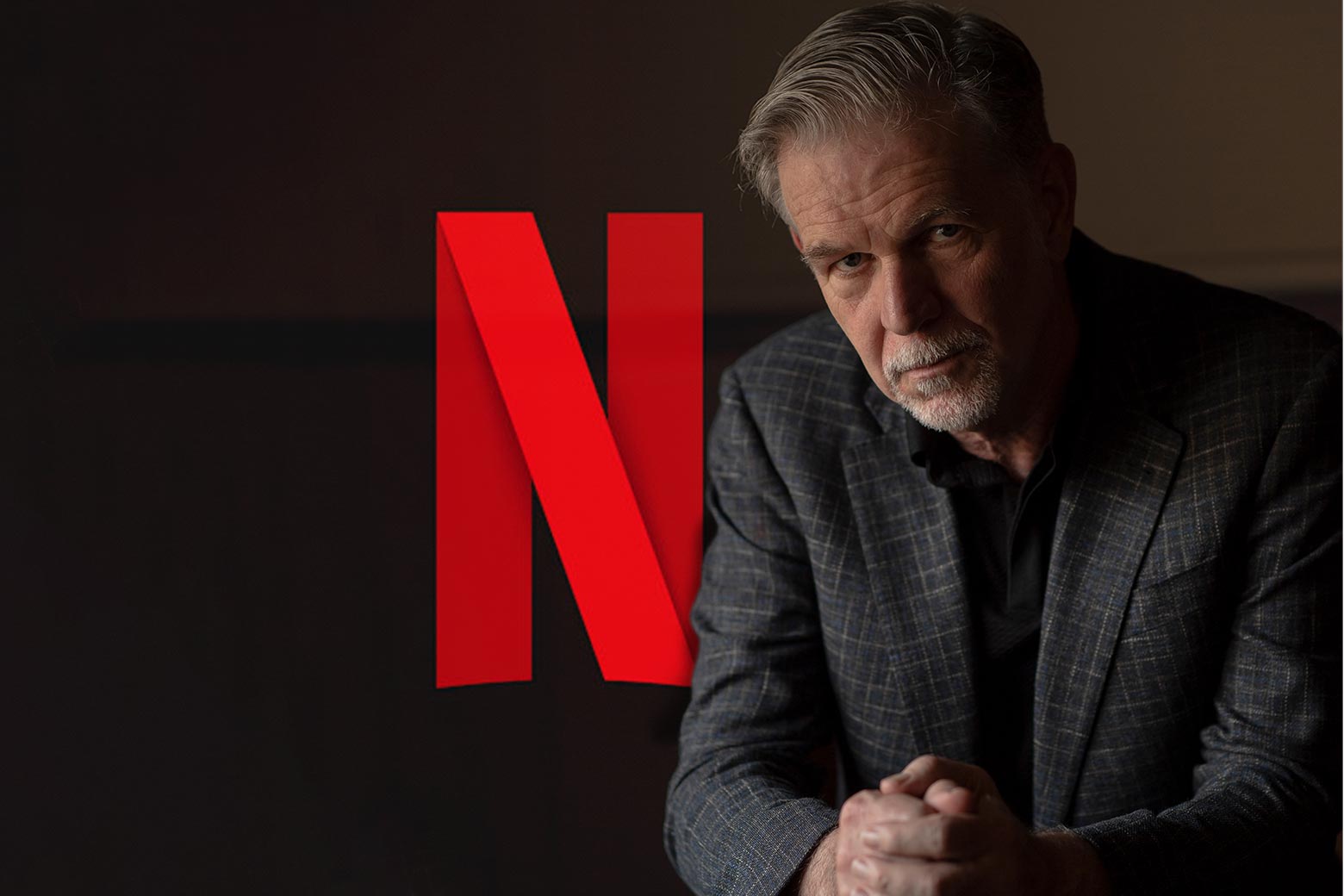
Then there’s the blow to movie theaters. Netflix has committed to some theatrical guarantees through 2029, but it’s already hedging on how long it’ll keep movies in theaters. Previous Netflix releases have been “blink and you miss it” lengths, with the recent Frankenstein—an epic made for the big screen—only getting a three-week run. Netflix CEO Reed Hastings has made some vague gestures like these to the theatrical experience, but his overall hostility to the movie-theater business has been clear.
This deal would be especially disappointing because Warner Bros. had a pretty great box-office run in 2025, at least by modern standards. It was the first studio to cross $4 billion at the box office this year thanks to hits like Superman and Sinners. Removing that kind of revenue from the theatrical economy could have major consequences for all studios—and moviegoers.
Besides, if keeping the Ellison’s fingers out of another media empire is the cause for celebration here in the Netflix deal, think again.
Unsurprisingly, Netflix is not interested in entering the cable business. But this point has become a bit lost in the context of the larger deal. Warner Bros. Discovery’s cable assets are being spun off into their own company called Discovery Global. So Netflix buying Warner Bros. does nothing to stop the Ellisons from buying CNN. Pop culture can be very effective propaganda, but control of news networks is arguably a much more straightforward way to get there.
This is why there’s a compelling case that the Netflix deal ends up being the worst-case scenario here. If you love theatrical releases, you’ll probably get fewer. If you’re concerned about Big Tech monopolies, you’re watching one start to take off. And if you’re concerned about billionaires with agendas owning big chunks of the news industry, Netflix isn’t here to help.
Paramount Skydance will be fighting this acquisition tooth and nail, including on antitrust grounds. There’s a real possibility that Trump’s Federal Trade Commission shoots it down, maybe even for ideological reasons. But ask yourself this: If Lina Khan were still in charge, might you want her to do the same thing? Maybe Trump will shut down this deal for personal reasons—and maybe it wouldn’t be such a bad thing in the end if he does.